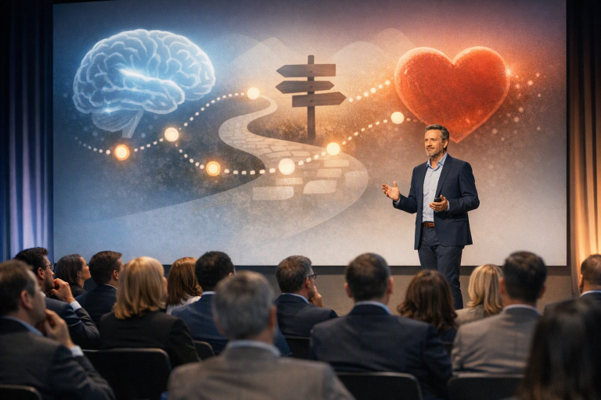
People like to believe they make decisions through logic. In reality, emotion plays a far bigger role than many organisations admit. A strong keynote speaker understands this. They do not simply deliver information; they shape how an audience feels about a challenge, an opportunity or a choice.
That is why the best keynote speakers are not hired just to fill a slot on the agenda. They are invited to create an experience that helps people think differently, remember more, and act with greater confidence. When emotion, story and relevance come together, decision-making becomes less abstract and more human.
Why Emotion Matters in Decision-Making
Decision-making is rarely a clean calculation. Leaders may review data, compare costs and analyse risks, but feelings influence what they notice, trust and prioritise. Fear can delay action. Hope can unlock ambition. Frustration can create urgency. Confidence can move a team from discussion to commitment.
A keynote speaker uses this emotional layer responsibly. Rather than manipulating an audience, they help people connect facts to meaning. This is important for conferences, leadership events and corporate away days where the aim is not only to inform, but to change perspective, behaviour or momentum.
Story Turns Information into Meaning
Facts can explain a situation, but stories help people care about it. A speaker who says, “change is necessary” may be understood. A speaker who tells a story about a team that resisted change, struggled, adapted and then succeeded is far more likely to be remembered.
Storytelling gives audiences a structure they can follow. It has characters, stakes, tension and resolution. This structure mirrors how people naturally make sense of complexity. For event organisers, this matters because a memorable keynote does more than entertain. It gives delegates language they can take back into meetings, sales conversations and leadership decisions.
The Speaker Creates a Safe Emotional Journey
An effective keynote is not a random collection of anecdotes. It is an emotional journey. The speaker may begin with curiosity, move into recognition, introduce discomfort, then guide the audience towards clarity and possibility. This matters because people are more open to new decisions when they feel both challenged and safe.
If a speaker creates too much pressure, the audience may become defensive. If the session is too comfortable, nothing changes. The skill lies in balancing honesty with encouragement. A strong keynote speaker names the issue clearly, then helps people believe they have the ability and permission to respond differently.
Relevance Makes the Experience Personal
Emotion becomes powerful when the audience sees themselves in the message. Generic inspiration fades quickly. Relevant insight stays. This is why professional keynote speakers invest time in understanding the organisation, the sector, the event theme and the delegates’ current pressures.
A keynote for senior leaders facing transformation should feel different from a keynote for frontline staff rebuilding confidence. The core message may be similar, but the examples, language and emotional emphasis must change. When people feel, “this speaker understands us”, they are more willing to question assumptions and consider new choices.
Audience Engagement Builds Ownership
People are more likely to act on an idea when they have done something with it, not merely heard it. That is why many keynote speakers use questions, short reflections, simple exercises or moments of audience interaction. These techniques help delegates process the message in relation to their own work.
Engagement does not need to be loud or complicated. A well-timed question can be enough: “What decision are you avoiding because the conversation feels uncomfortable?” That moment turns a keynote from a performance into a mirror. The audience stops watching the speaker and starts examining their own decisions.
Memorable Messages Create Post-Event Momentum
The value of a keynote is not measured only by applause at the end. Its real impact appears later, when delegates repeat a phrase, revisit a challenge or make a different decision because something stayed with them. Memorable messages help emotion survive beyond the event.
This is where concise language matters. A keynote speaker may build the session around a central idea that is easy to remember and easy to share. For example, a leadership conference may need a message about courage, accountability or customer focus. The speaker’s job is to make that message feel urgent, practical and repeatable.
Choosing Keynote Speakers Who Influence Decisions
Event organisers should look beyond biography and fame. The best keynote speaker for decision-making impact is not always the most recognisable name. It is the speaker who can connect with the audience, understand the commercial or cultural context, and move people towards a useful next step.
Useful questions include: Can this speaker tell stories that fit our audience? Can they balance emotion with practical insight? Will delegates leave with a clearer decision, behaviour or belief? A powerful keynote should not simply make people feel good. It should help them decide what to do next.
Final Thoughts
Keynote speakers create emotional experiences by combining story, relevance, audience engagement and clear messaging. They help people feel the importance of an issue, not just understand it intellectually. That emotional connection is often what turns passive agreement into active decision-making.
For organisations planning conferences, leadership events or corporate away days, the right keynote can become a catalyst. It can give people the courage to act, the confidence to change direction and the shared language to make better decisions together. When a speaker moves both hearts and minds, the event becomes more than a gathering. It becomes a turning point.